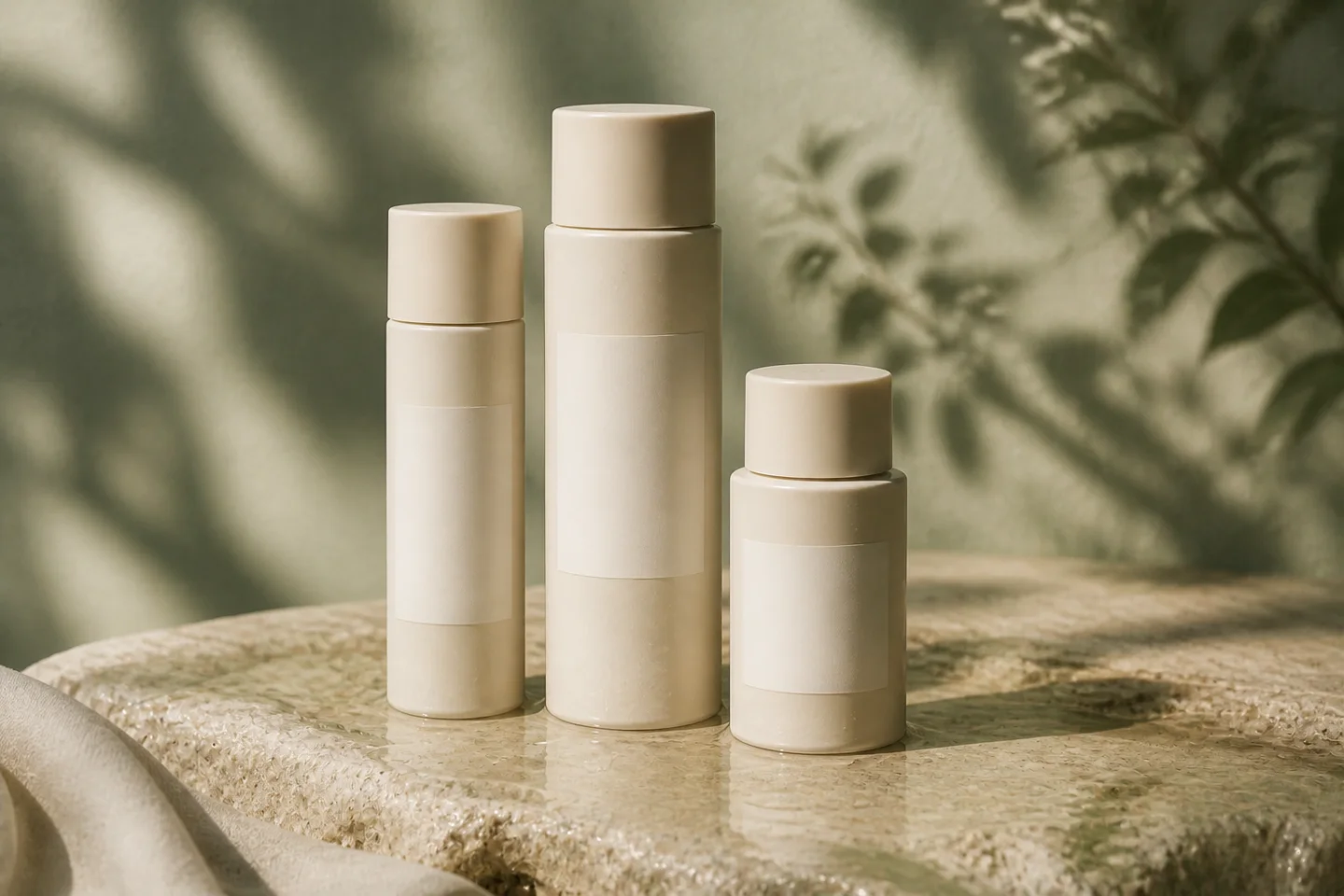
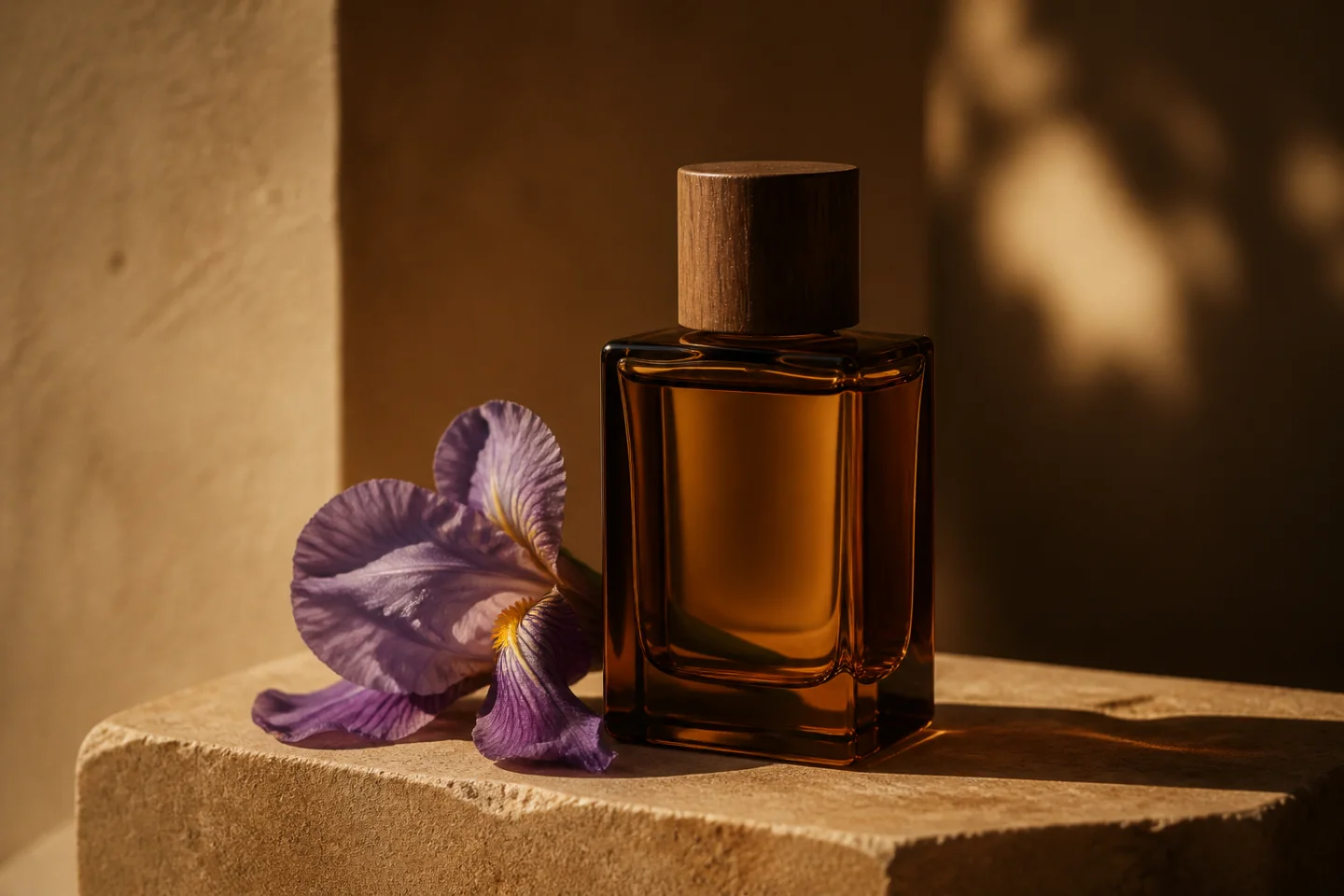
Start with the product you already have.
Bring a product photograph into Aethra and explore a new setting, background or campaign treatment. Keep the original close so you can judge the details that matter.
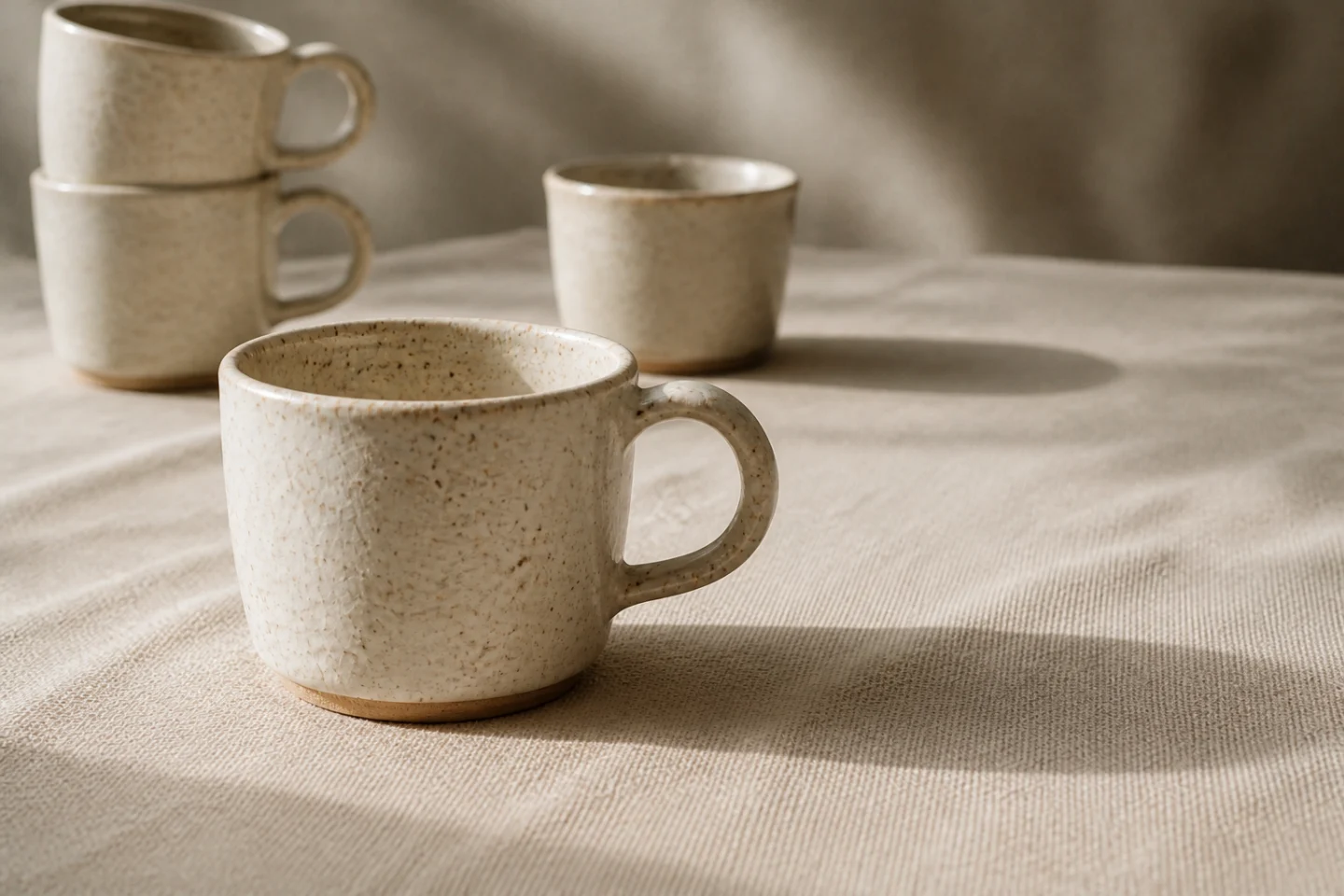
Give the reference a role.
Subject
The speckled ivory cup is the product reference. Its shape and surface deserve a close check.
TERRA · fictional product example
Tell each reference what it is there for.
Use the product photo to define the subject and a separate reference to suggest the mood. Tell Aethra which details matter: the material, silhouette, finish or label. That gives the request a clearer starting point.
Change the scene around the subject.
Try a softer light, a different surface or a more spacious composition. Be clear about what should stay recognisable. Compare the result with your photograph before making it the reference for more work.
Build the campaign from a result you trust.
Choose the treatment that works, then explore related crops and settings. Review each one against the original product. Reference guidance helps, but small details and exact lettering still need your attention.
Compare the actual result against the reference. Guidance helps direct generation; it does not replace inspection.

Refinement with purpose
Keep the parts you like. Work on the rest.
Explore refinementHow does Aethra keep track?
There is a reason Aethra keeps your references, decisions and feedback connected. Here is how the pieces work together.
Inside the consistency processA few things you might be wondering.
Can I keep the original product while changing the background?
Describe the background change and the product details to preserve, then inspect the result against the original. Reference guidance helps, but exact fidelity should always be checked.
Why distinguish product references from mood references?
They carry different instructions. One establishes what the subject is; the other suggests how it might be presented.